Products
PRODUCT
CONTACT US

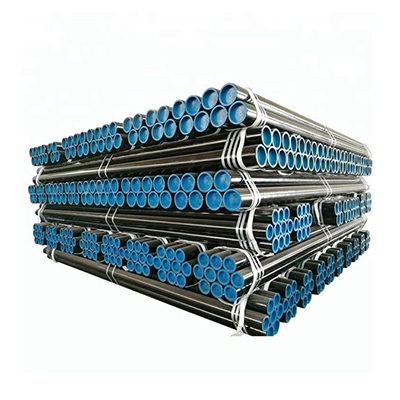
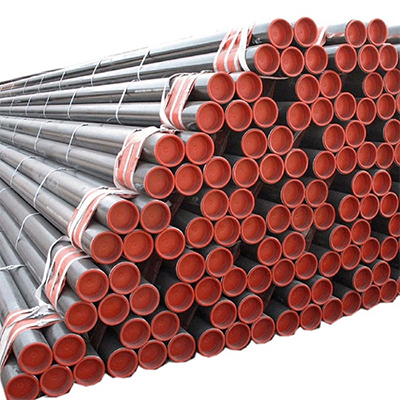
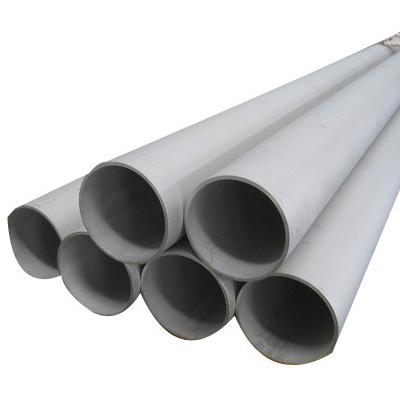
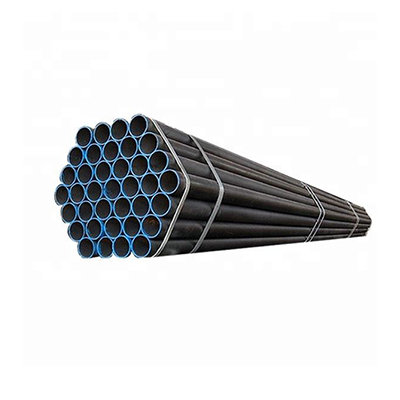
 Petroleum pipe API 5CT L80-1
—
Petroleum related standards:
API 5CT: Specification for Casing and Tubing
API5D: Drill Pipe Specification
API 5L: Specification for Pipeline Steel Pipe
API 5B: Specification for Processing, Measurement, and Inspection of Threads for Casing, Tubing, and Pipeline Pipe
GB/T 97111: Technical delivery conditions for steel pipes for petroleum and natural gas industries - Part 1: Grade A steel pipes
GB/T 9711.2: Technical delivery conditions for steel pipes for petroleum and natural gas industries - Part 2: Class B steel pipes
GBT97113: Technical delivery conditions for steel pipes for transportation in the petroleum and natural gas industries - Part 3: C steel pipesLearn More ⇀- API SPEC 5L line pipe couplings
—
Standard:
API SPEC 5L - American Petroleum Institute
GB/T9711- Chinese National Standard
Purpose:
Oxygen, water, and oil delivery pipes used in the petroleum and natural gas industries
Main steel pipe grades for production:
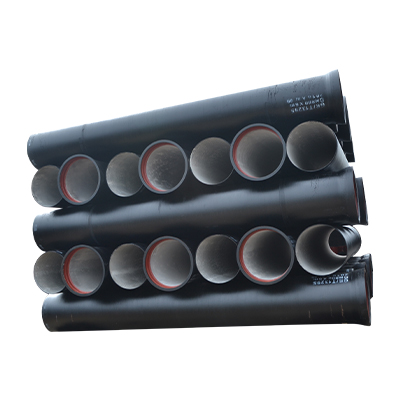
B. X42, X52, X60, X65, X70 L245 L290 L320 L360 L390 L450 L485Learn More ⇀ - Ductile Iron Pipe for water treatment
—
Production process:
(1) Strict requirements for chemical composition, requiring a higher carbon and silicon content in the original molten iron compared to gray cast iron, reducing the content of manganese, phosphorus, and sulfur in ductile iron
(2) The discharge temperature of molten iron is higher than that of gray cast iron to compensate for the loss of molten iron temperature during spheroidization and inoculation treatment
(3) Perform spheroidization treatment by adding spheroidizing agents to the molten iron
(4) Add inoculant for inoculation treatment
(5) Ductile iron has poor flowability and large shrinkage, so it requires a higher pouring temperature and a larger pouring system size. Reasonable use of risers and chilled iron should follow the principle of sequential solidification
(6) Perform heat treatmentLearn More ⇀ - API Line Pipe Couplings Petroleum pipe
—
Petroleum related standards:
API 5CT: Specification for Casing and Tubing
API5D: Drill Pipe Specification
API 5L: Specification for Pipeline Steel Pipe
API 5B: Specification for Processing, Measurement, and Inspection of Threads for Casing, Tubing, and Pipeline Pipe
GB/T 97111: Technical delivery conditions for steel pipes for petroleum and natural gas industries - Part 1: Grade A steel pipes
GB/T 9711.2: Technical delivery conditions for steel pipes for petroleum and natural gas industries - Part 2: Class B steel pipes
GBT97113: Technical delivery conditions for steel pipes for transportation in the petroleum and natural gas industries - Part 3: C steel pipesLearn More ⇀ - ASTM A106 Carbon steel seamless pipe
—
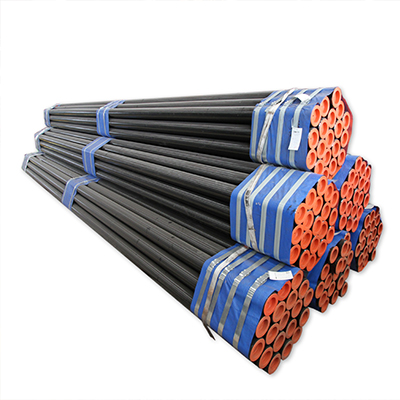
Carbon steel pipe producing process:
1. Round pipe billets are cut into billets of approximately 1 meter in length by a cutting machine and sent via a conveyor belt to be heated in a furnace.The billet is heated in the furnace at a temperature of about 1200 degrees Celsius. The fuel is hydrogen or acetylene.
2. After the round billets come out of the furnace they are pierced by a pressure piercing machine. The more common piercing machine is the conical roll piercing machine. After that, the round billet is successively rolled by three-roll tilting, continuous rolling or extrusion.
3. After extrusion, the pipe is taken off for sizing. Sizing machine through the conical drill bit rotating at high speed into the steel embryo perforation, the formation of steel pipe. The inner diameter of the steel pipe is determined by the length of the outer diameter of the drill bit of the sizing machine.
4. After sizing, the steel pipe enters a cooling tower and is cooled by spraying water. After cooling, it is straightened.
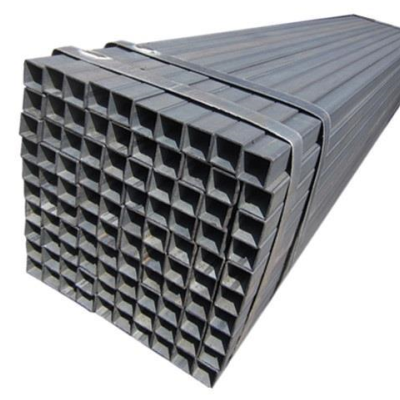
5. A conveyor belt sends the steel pipe to a metal flaw detector (or water pressure test) for internal flaw detection.Learn More ⇀ - Carbon steel welded rectanglar pipe
—
Carbon steel pipe producing process:
1. Round pipe billets are cut into billets of approximately 1 meter in length by a cutting machine and sent via a conveyor belt to be heated in a furnace.The billet is heated in the furnace at a temperature of about 1200 degrees Celsius. The fuel is hydrogen or acetylene.
2. After the round billets come out of the furnace they are pierced by a pressure piercing machine. The more common piercing machine is the conical roll piercing machine. After that, the round billet is successively rolled by three-roll tilting, continuous rolling or extrusion.
3. After extrusion, the pipe is taken off for sizing. Sizing machine through the conical drill bit rotating at high speed into the steel embryo perforation, the formation of steel pipe. The inner diameter of the steel pipe is determined by the length of the outer diameter of the drill bit of the sizing machine.
4. After sizing, the steel pipe enters a cooling tower and is cooled by spraying water. After cooling, it is straightened.
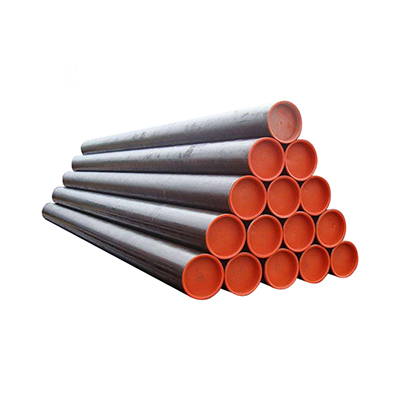
5. A conveyor belt sends the steel pipe to a metal flaw detector (or water pressure test) for internal flaw detection.Learn More ⇀ - API 5L X42 Line Pipe
—
Standard:
API SPEC 5L - American Petroleum Institute
GB/T9711- Chinese National Standard
Purpose:
Oxygen, water, and oil delivery pipes used in the petroleum and natural gas industries
Main steel pipe grades for production:
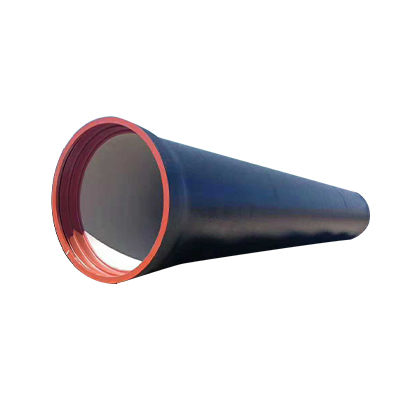
B. X42, X52, X60, X65, X70 L245 L290 L320 L360 L390 L450 L485Learn More ⇀ - Ductile Iron Pipe
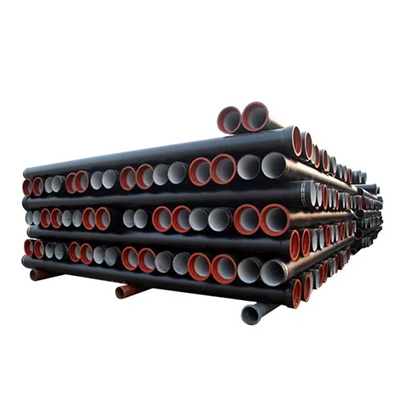
—
Production process:
(1) Strict requirements for chemical composition, requiring a higher carbon and silicon content in the original molten iron compared to gray cast iron, reducing the content of manganese, phosphorus, and sulfur in ductile iron
(2) The discharge temperature of molten iron is higher than that of gray cast iron to compensate for the loss of molten iron temperature during spheroidization and inoculation treatment
(3) Perform spheroidization treatment by adding spheroidizing agents to the molten iron
(4) Add inoculant for inoculation treatment
(5) Ductile iron has poor flowability and large shrinkage, so it requires a higher pouring temperature and a larger pouring system size. Reasonable use of risers and chilled iron should follow the principle of sequential solidification
(6) Perform heat treatmentLearn More ⇀ - API 5CT Petroleum Casing Pipe
—
Petroleum related standards:
API 5CT: Specification for Casing and Tubing
API5D: Drill Pipe Specification
API 5L: Specification for Pipeline Steel Pipe
API 5B: Specification for Processing, Measurement, and Inspection of Threads for Casing, Tubing, and Pipeline Pipe
GB/T 97111: Technical delivery conditions for steel pipes for petroleum and natural gas industries - Part 1: Grade A steel pipes
GB/T 9711.2: Technical delivery conditions for steel pipes for petroleum and natural gas industries - Part 2: Class B steel pipes
GBT97113: Technical delivery conditions for steel pipes for transportation in the petroleum and natural gas industries - Part 3: C steel pipesLearn More ⇀ - DN900 Ductile Iron Pipe
—
Production process:
(1) Strict requirements for chemical composition, requiring a higher carbon and silicon content in the original molten iron compared to gray cast iron, reducing the content of manganese, phosphorus, and sulfur in ductile iron
(2) The discharge temperature of molten iron is higher than that of gray cast iron to compensate for the loss of molten iron temperature during spheroidization and inoculation treatment
(3) Perform spheroidization treatment by adding spheroidizing agents to the molten iron
(4) Add inoculant for inoculation treatment
(5) Ductile iron has poor flowability and large shrinkage, so it requires a higher pouring temperature and a larger pouring system size. Reasonable use of risers and chilled iron should follow the principle of sequential solidification
(6) Perform heat treatmentLearn More ⇀ - Drill Pipe Division API 5B Pipe
—
Standard:
API SPEC 5L - American Petroleum Institute
GB/T9711- Chinese National Standard
Purpose:
Oxygen, water, and oil delivery pipes used in the petroleum and natural gas industries
Main steel pipe grades for production:
B. X42, X52, X60, X65, X70 L245 L290 L320 L360 L390 L450 L485Learn More ⇀ - En545 standard Ductile Iron Pipe
—
Production process:
(1) Strict requirements for chemical composition, requiring a higher carbon and silicon content in the original molten iron compared to gray cast iron, reducing the content of manganese, phosphorus, and sulfur in ductile iron
(2) The discharge temperature of molten iron is higher than that of gray cast iron to compensate for the loss of molten iron temperature during spheroidization and inoculation treatment
(3) Perform spheroidization treatment by adding spheroidizing agents to the molten iron
(4) Add inoculant for inoculation treatment
(5) Ductile iron has poor flowability and large shrinkage, so it requires a higher pouring temperature and a larger pouring system size. Reasonable use of risers and chilled iron should follow the principle of sequential solidification
(6) Perform heat treatmentLearn More ⇀

{item.title}
—
{item.description}
Learn More ⇀

Zhongshi Steel Co.,Ltd.
First class quality service and professional after-sales team.
sun@sdzssteel.com
Room 2301, Building 7, China ResourcesLand Plaza, No. 68 Gongye South Road,Lixia District, Jinan City, Shandong Province
Get in Touch
*We respect your confidentiality and all information are protected.